
 Consolidates product storage into compact lanes, making it ideal for high-volume SKUs in warehouses and distribution centers.Keeps items front-facing and easily accessible, reducing search time and improving order fulfillment speed.Ensures older stock is picked first, ideal for products with expiration dates.
Maximize your warehouse floor space and streamline high-volume inventory management with our premium Drive-Through Racking Systems. Engineered specifically for facilities handling large volumes of uniform products, this system eliminates unnecessary aisles to transform raw square footage into high-capacity storage depth.
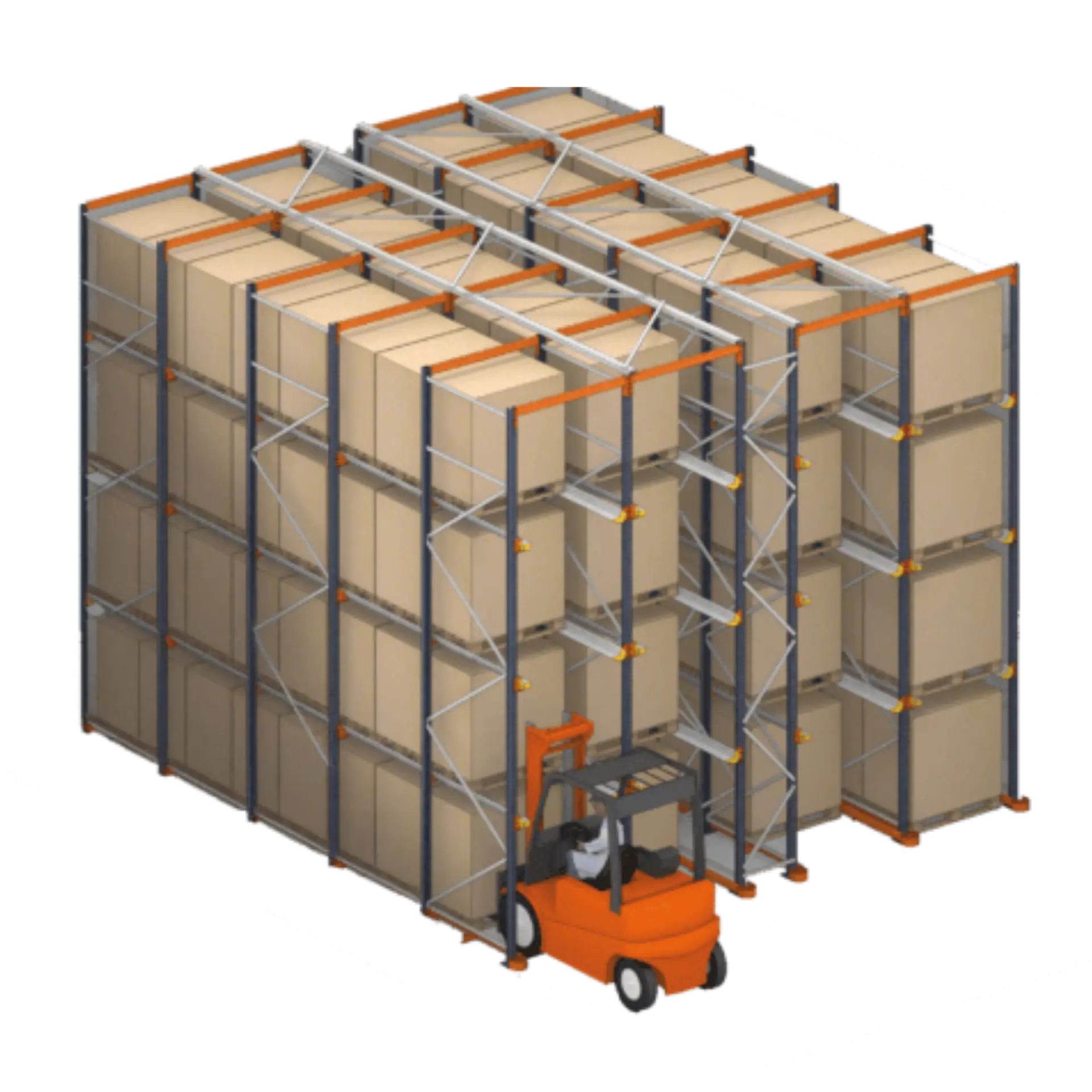
Unlike drive-in systems, Drive-Through Racking features separate entry and exit points, allowing forklifts to drive completely through the rack structure. This dual-access design makes it the ultimate structural solution for First-In, First-Out (FIFO) inventory rotation, ensuring your oldest stock is always prioritized and easily accessible.
Need More Information? Have Us Contact You
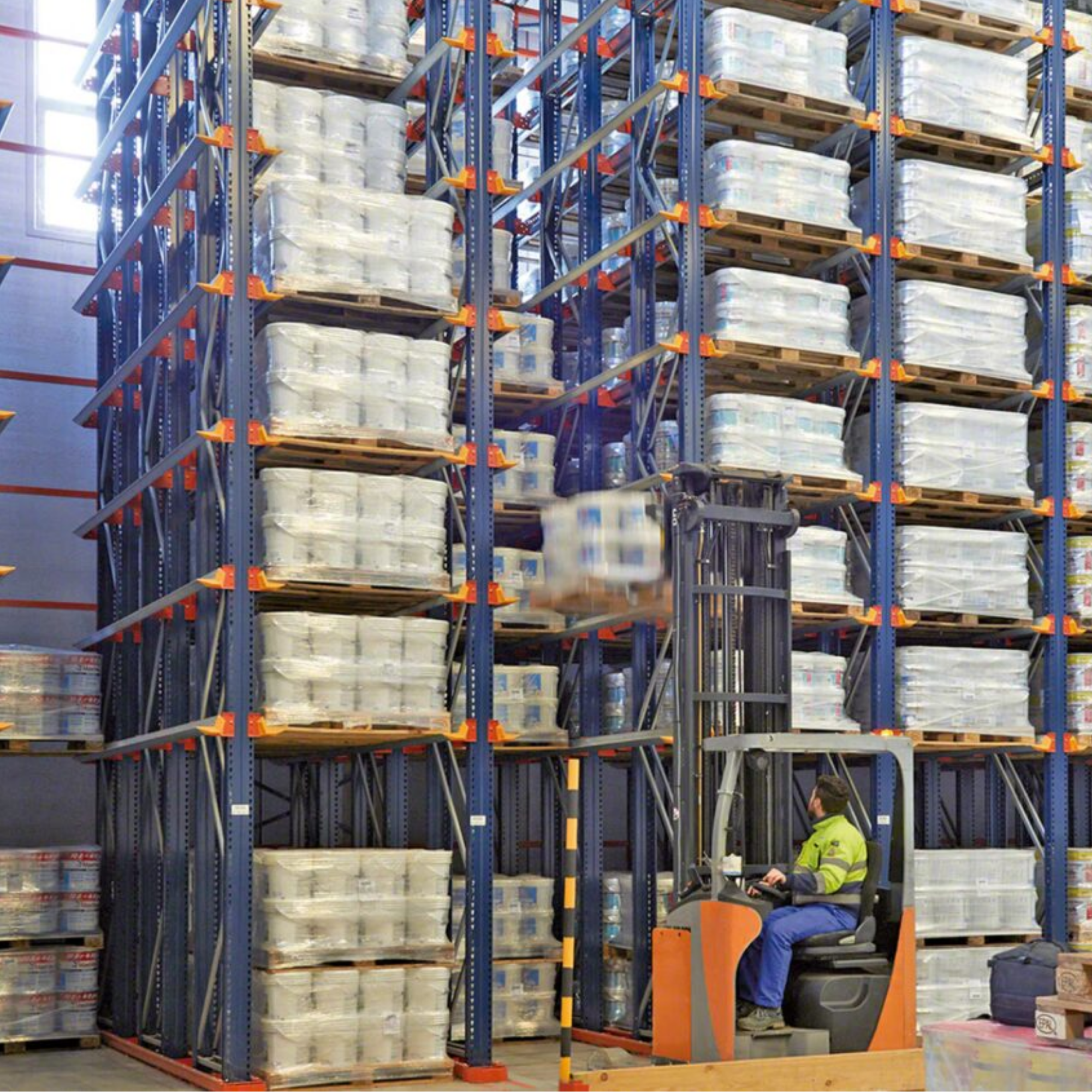
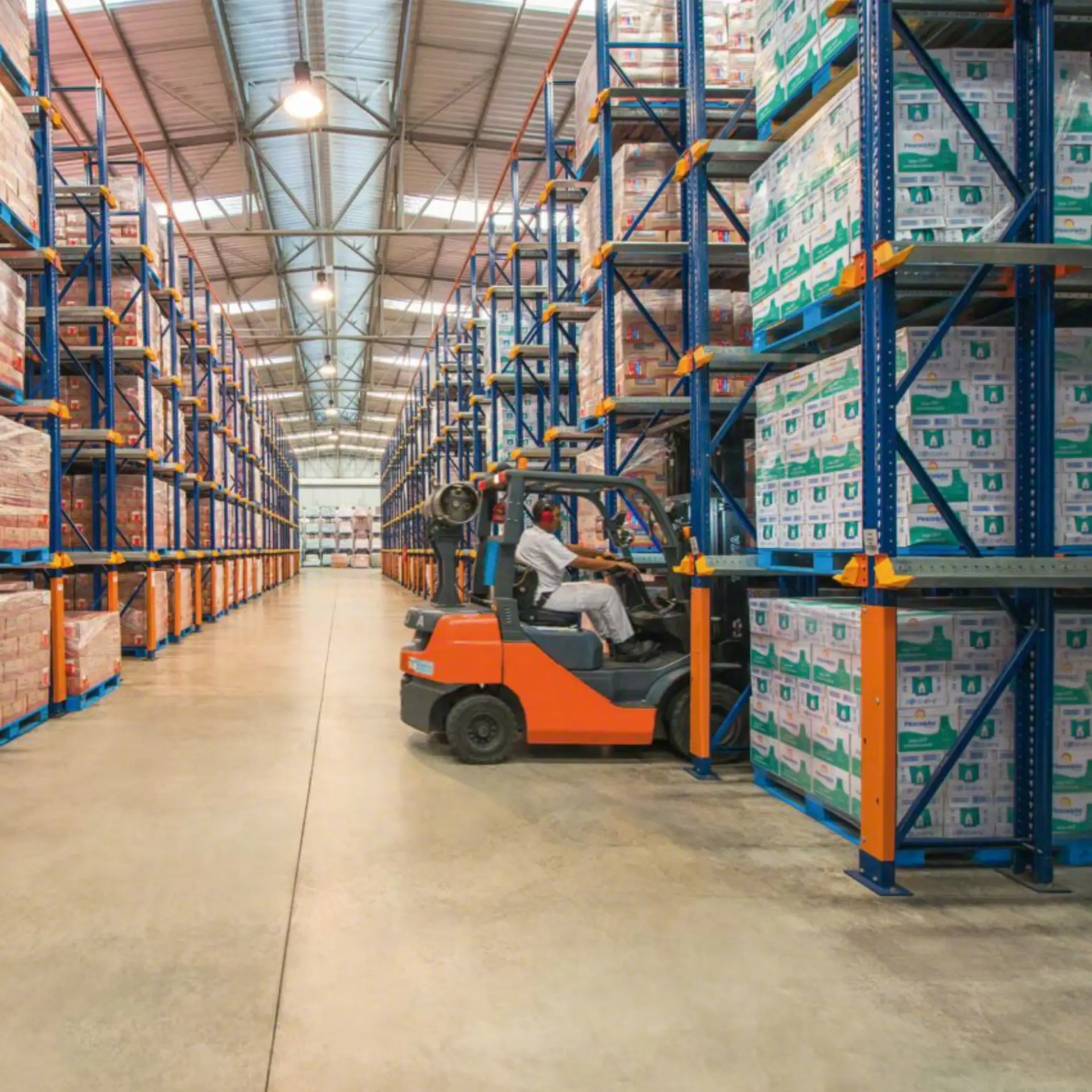
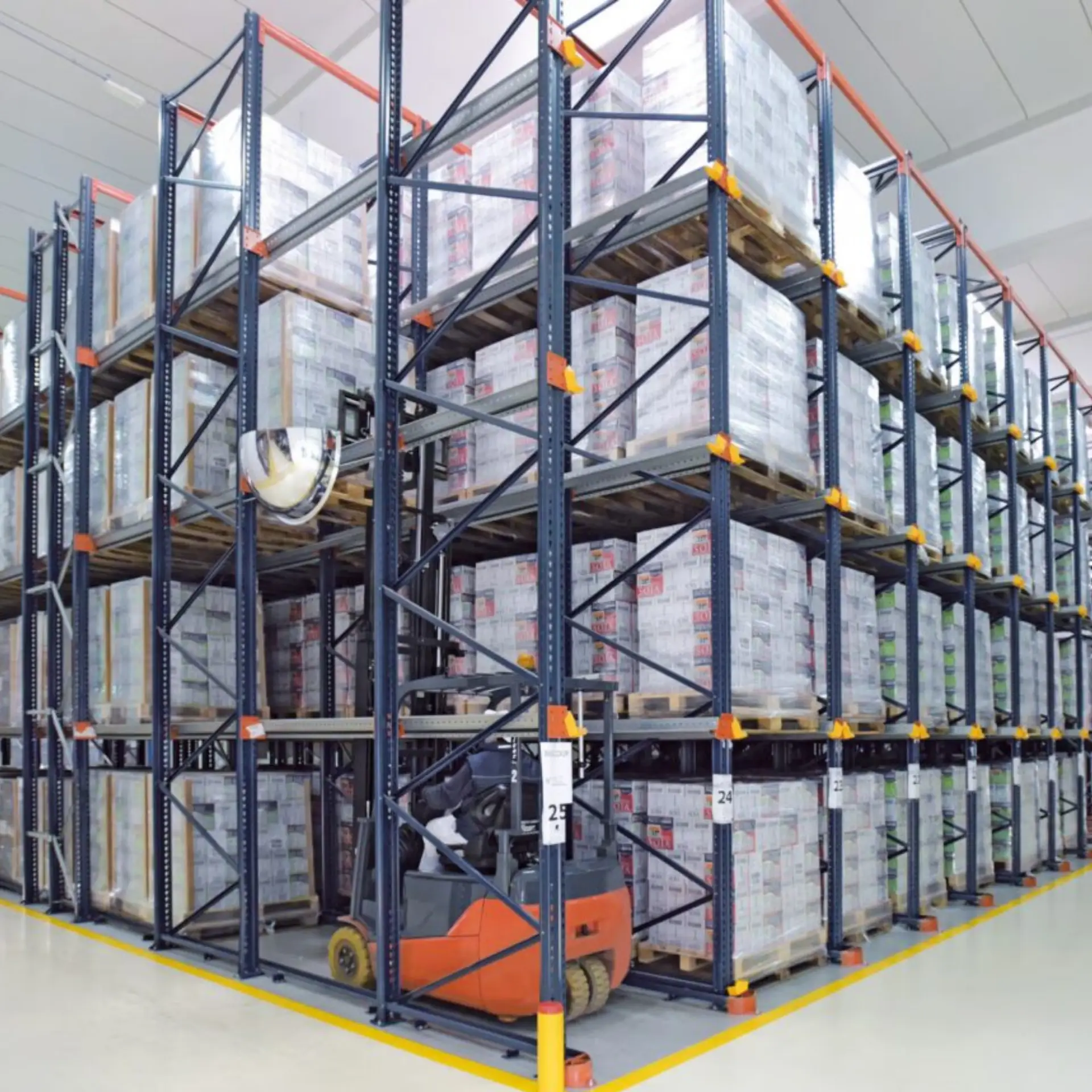
Drive Through Racking uses deep storage lanes that forklifts can access from both ends. Pallets are loaded from one aisle and retrieved from the opposite aisle. This two-sided arrangement separates inbound and outbound activity while supporting high-density pallet storage. Each lane is generally assigned to one SKU to simplify inventory control.
Yes. Loading pallets from one side and retrieving them from the opposite side supports first-in, first-out (FIFO) inventory rotation. The oldest pallet can be removed before newer pallets loaded behind it. This makes Drive Through Racking useful for high-volume products requiring consistent rotation, including date-sensitive or perishable inventory.
Drive Through Racking is best suited for high volumes of relatively few SKUs, with multiple pallets stored in each deep lane. It can accommodate different pallet sizes and weights when the system is designed accordingly. Product volume, pallet condition, load dimensions, turnover rate, and required FIFO rotation should be reviewed before specifying the rack.
The system consolidates pallets into deep, compact lanes and reduces the number of access aisles required compared with conventional selective pallet racking. It uses both available floor space and vertical height efficiently. Actual capacity depends on rack depth, number of levels, pallet dimensions, load clearances, forklift requirements, and building constraints.
Yes. Forklifts or compatible handling equipment enter the internal rack lanes to place and retrieve pallets from the support rails. Correct pallet positioning and controlled vehicle movement are critical because the truck operates close to the rack structure. Guide rails and other accessories can help direct forklift travel and pallet placement within the lane.
Yes. Rack depth and height can be configured around the available building space, pallet dimensions, load weights, and required storage capacity. The final design must also account for forklift dimensions, turning space, aisle access, floor condition, fire-protection clearances, and seismic or structural requirements applicable to the installation location.
We use cookies to improve your experience on our site. By using our site, you consent to cookies.
Manage your cookie preferences below:
Essential cookies enable basic functions and are necessary for the proper function of the website.
These cookies are needed for adding comments on this website.
Statistics cookies collect information anonymously. This information helps us understand how visitors use our website.
Google Analytics is a powerful tool that tracks and analyzes website traffic for informed marketing decisions.
Service URL: policies.google.com (opens in a new window)
SourceBuster is used by WooCommerce for order attribution based on user source.
Marketing cookies are used to follow visitors to websites. The intention is to show ads that are relevant and engaging to the individual user.
OptinMonster is a powerful lead generation tool that helps businesses convert visitors into subscribers and customers.
Service URL: optinmonster.com (opens in a new window)
You can find more information in our Cookie Policy and .