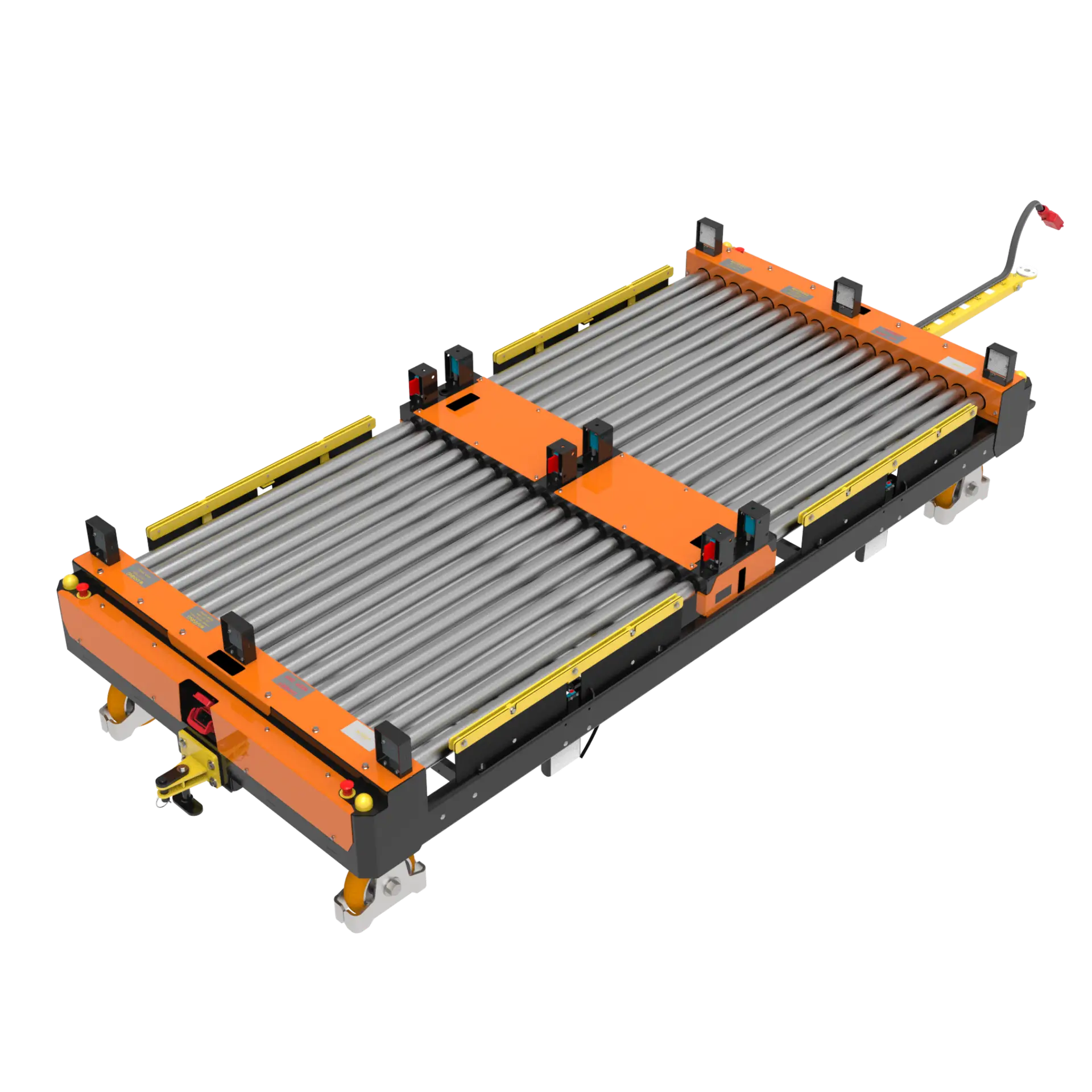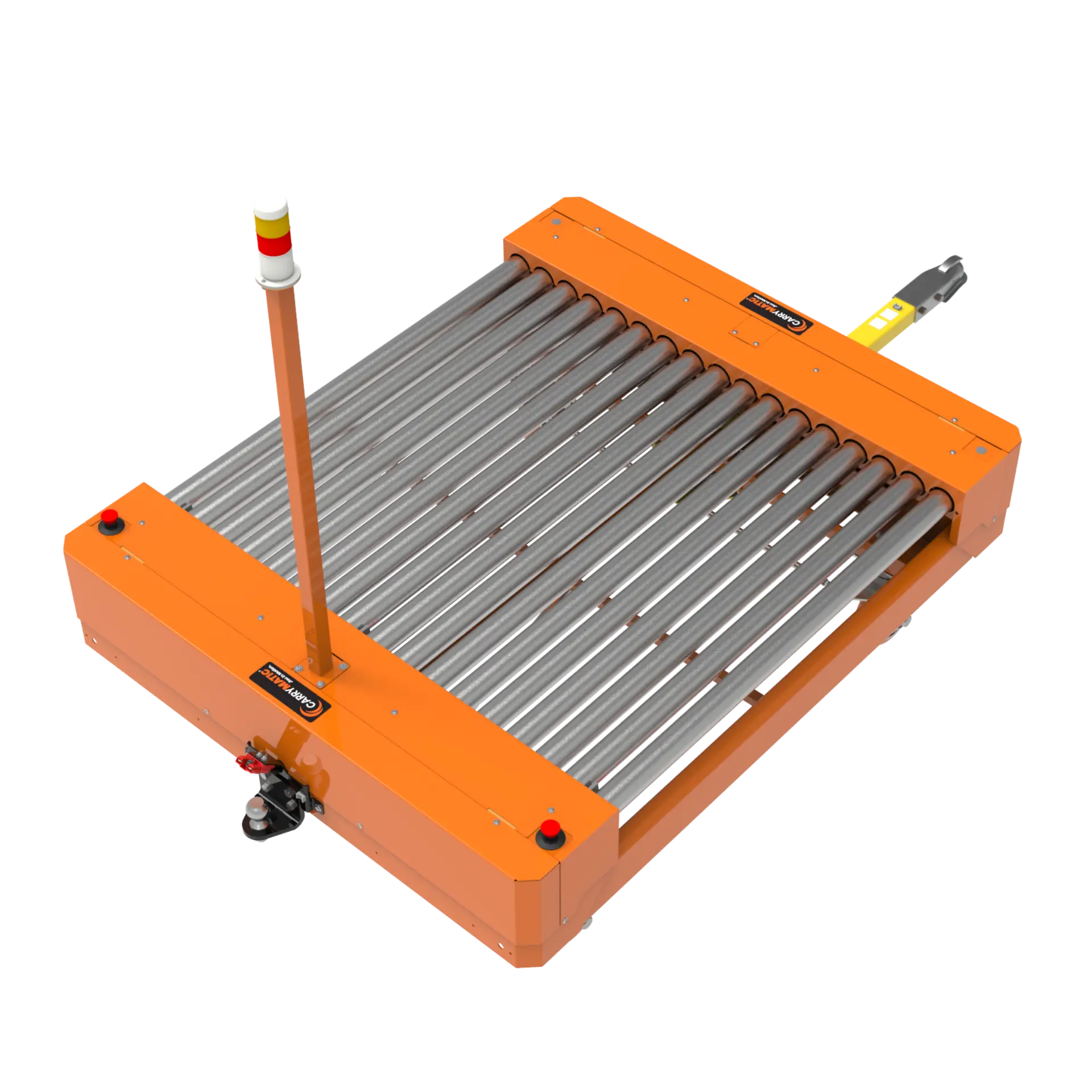
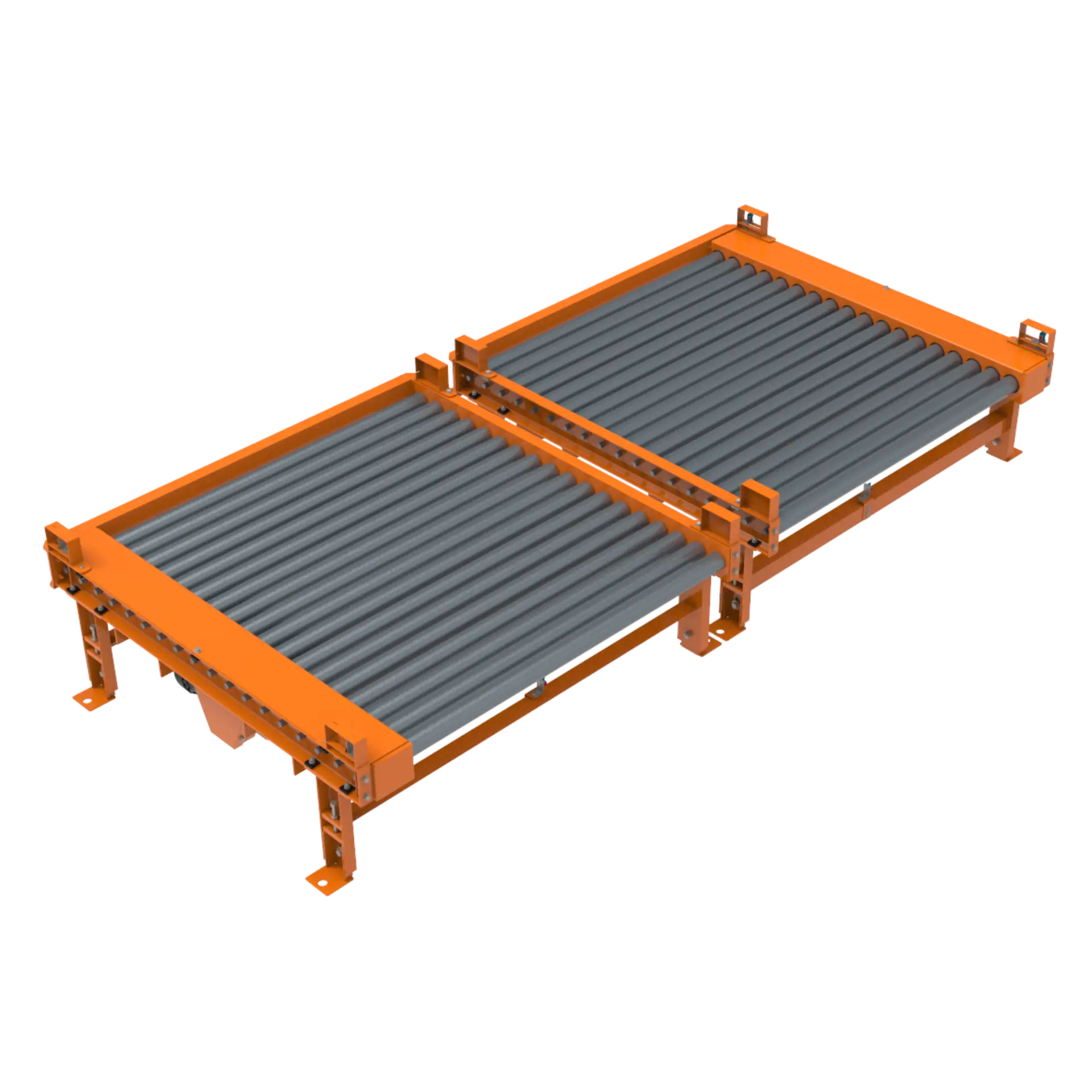
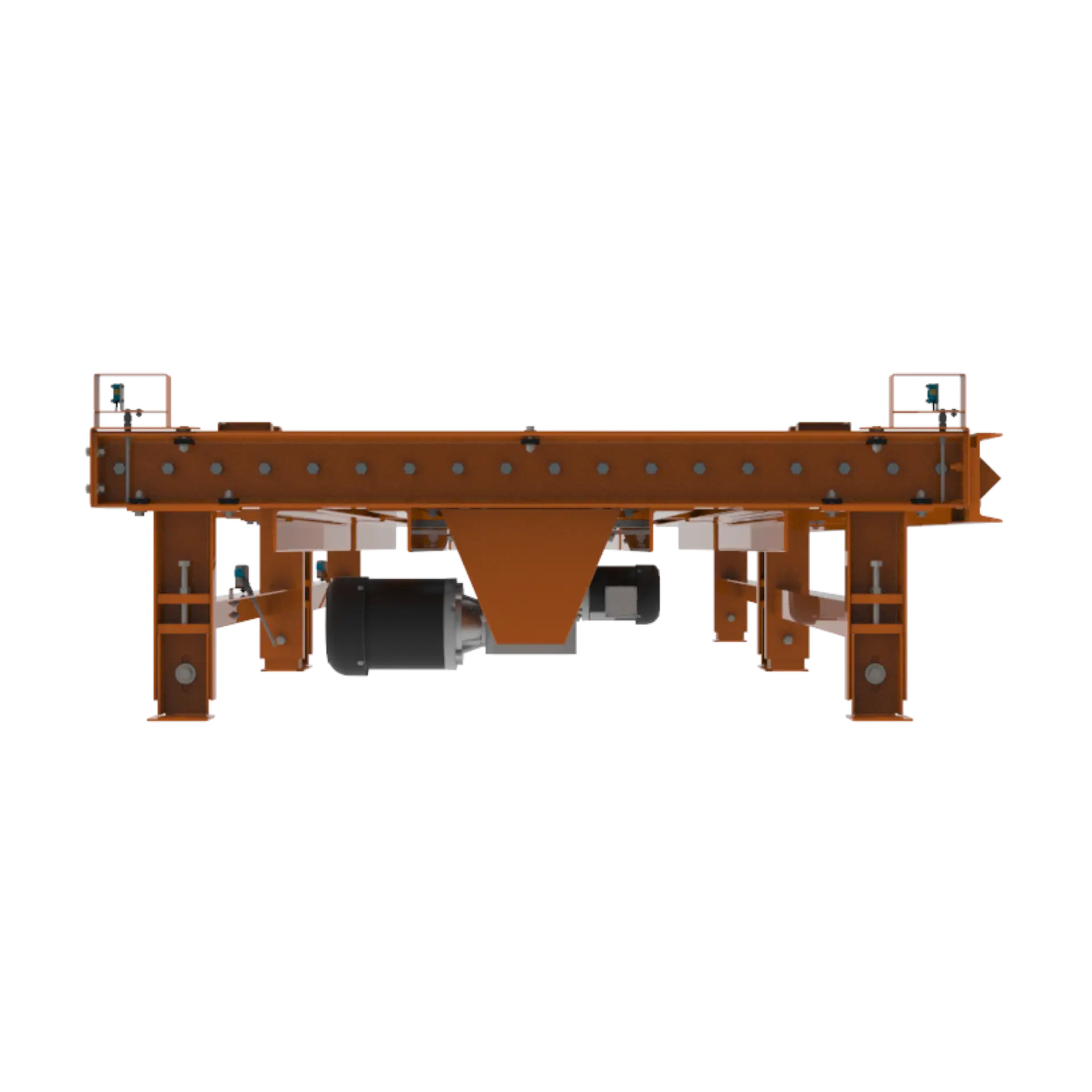
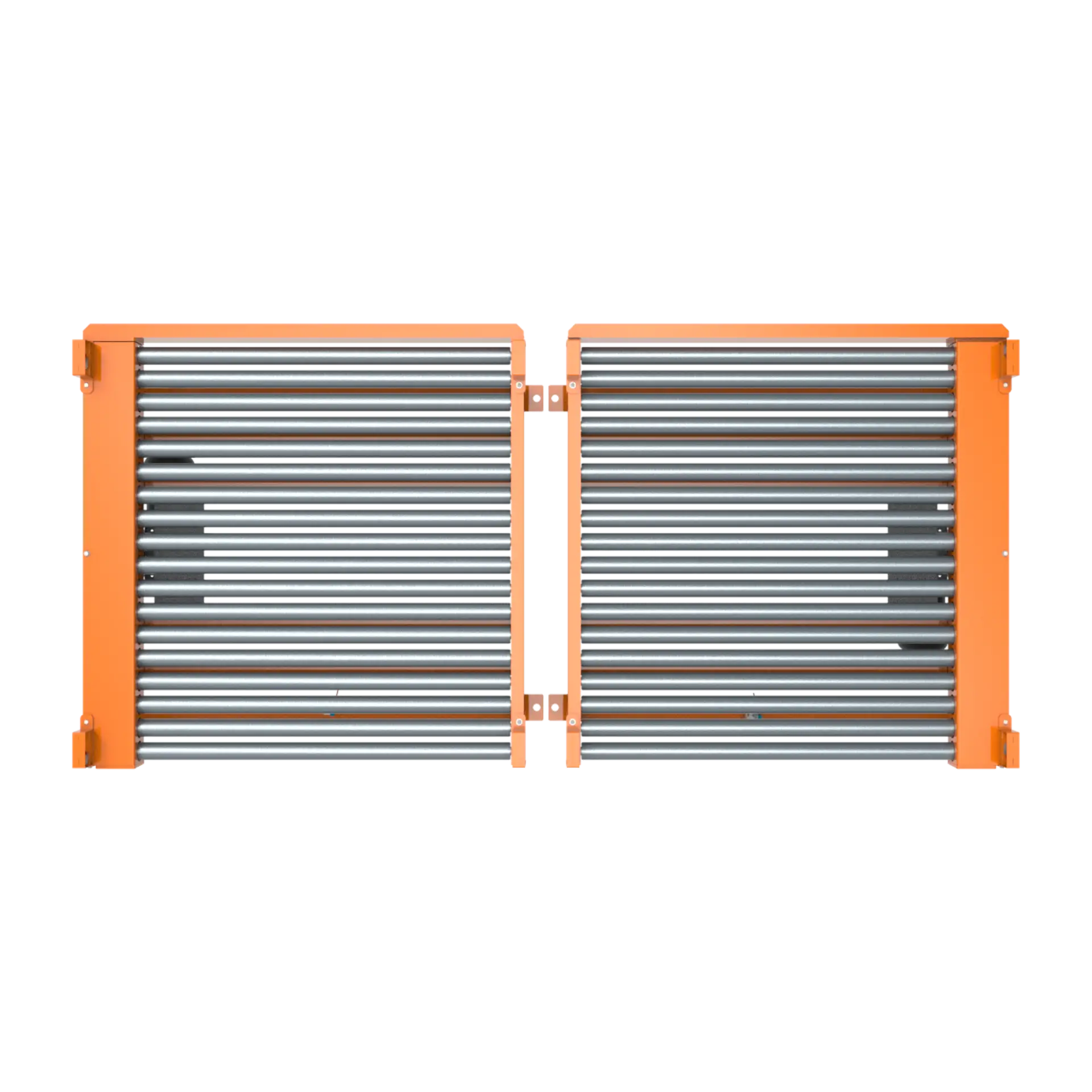
 Powered Conveyor Rollers30 FPM Transfer Speed208/480 VAC MotorAutonomous Transfers
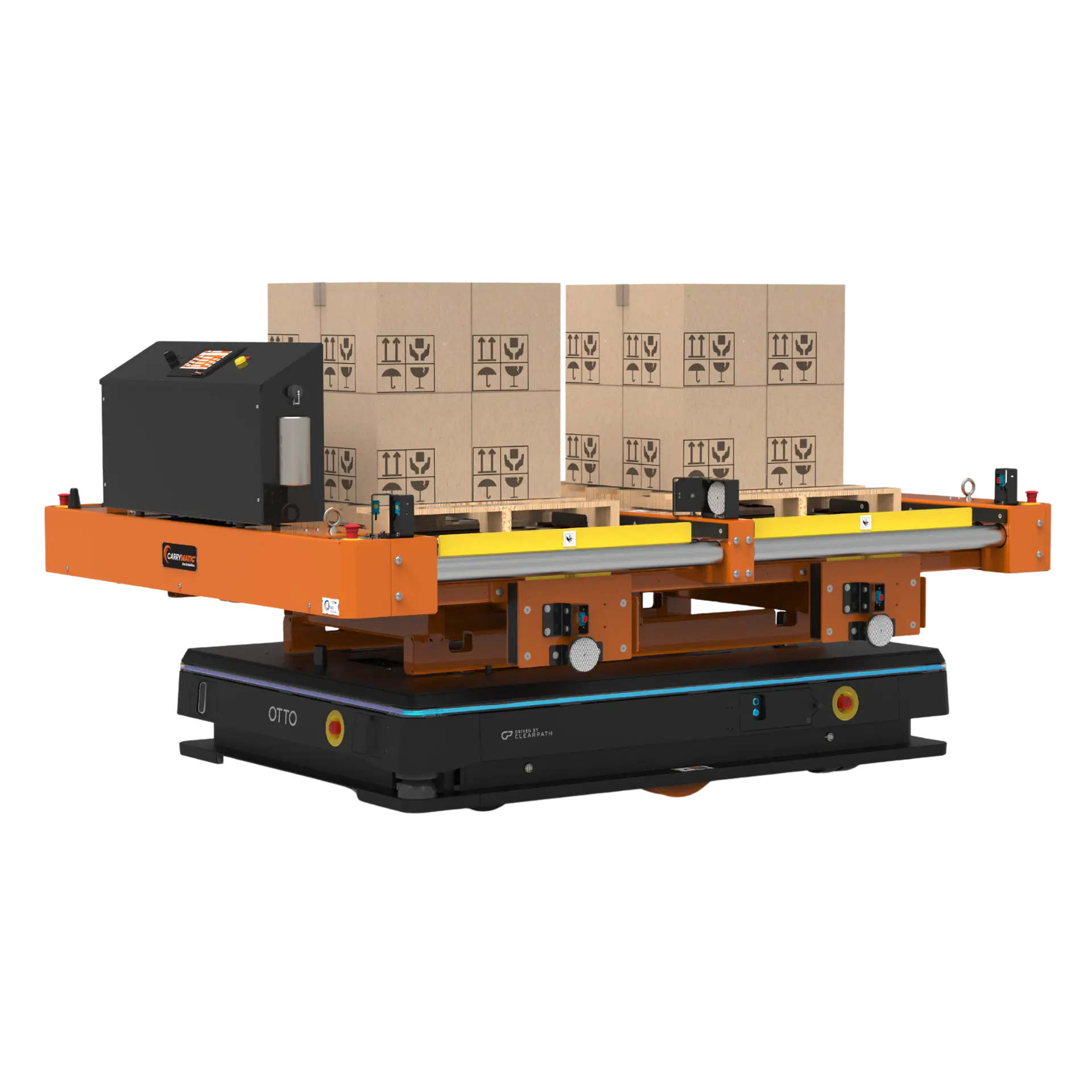
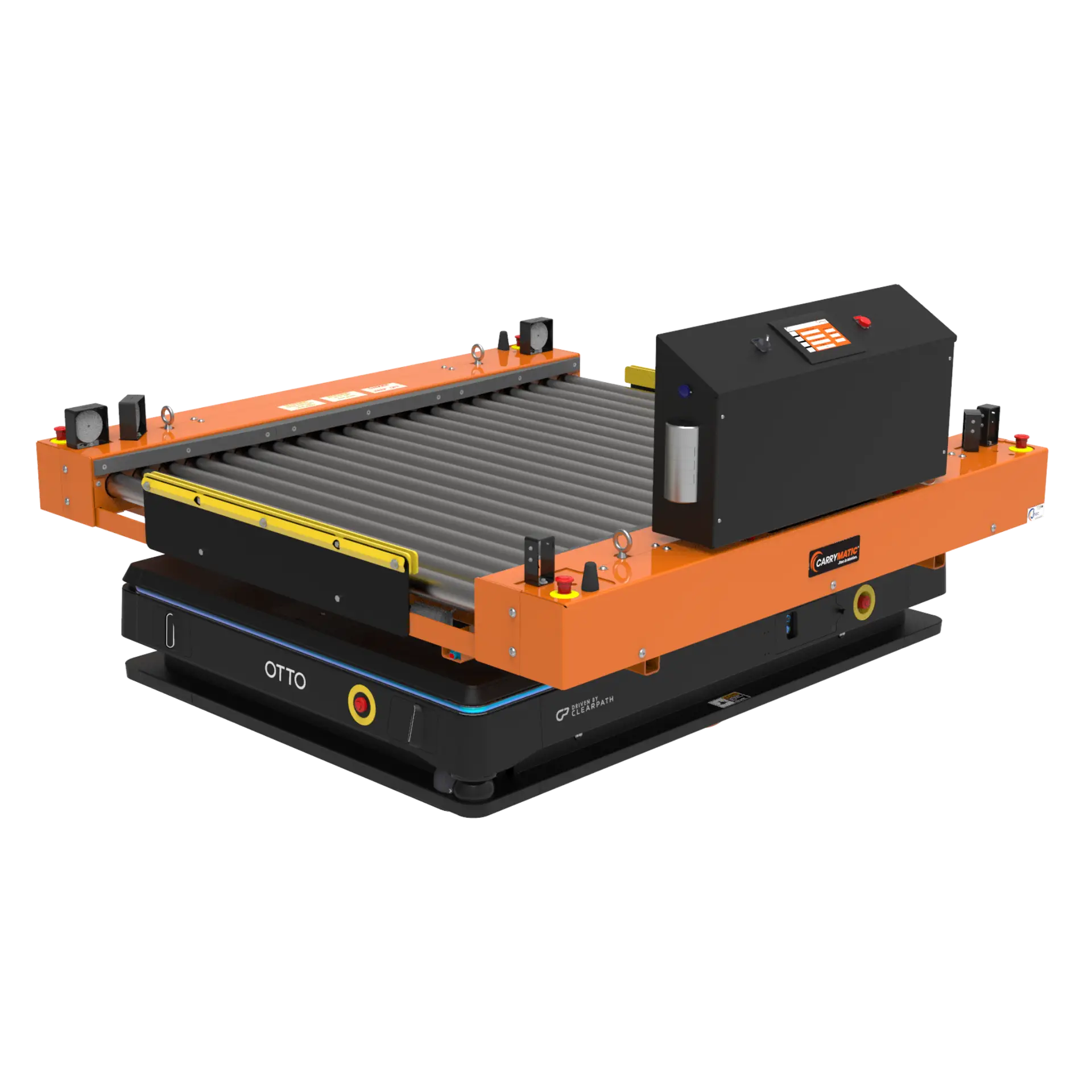
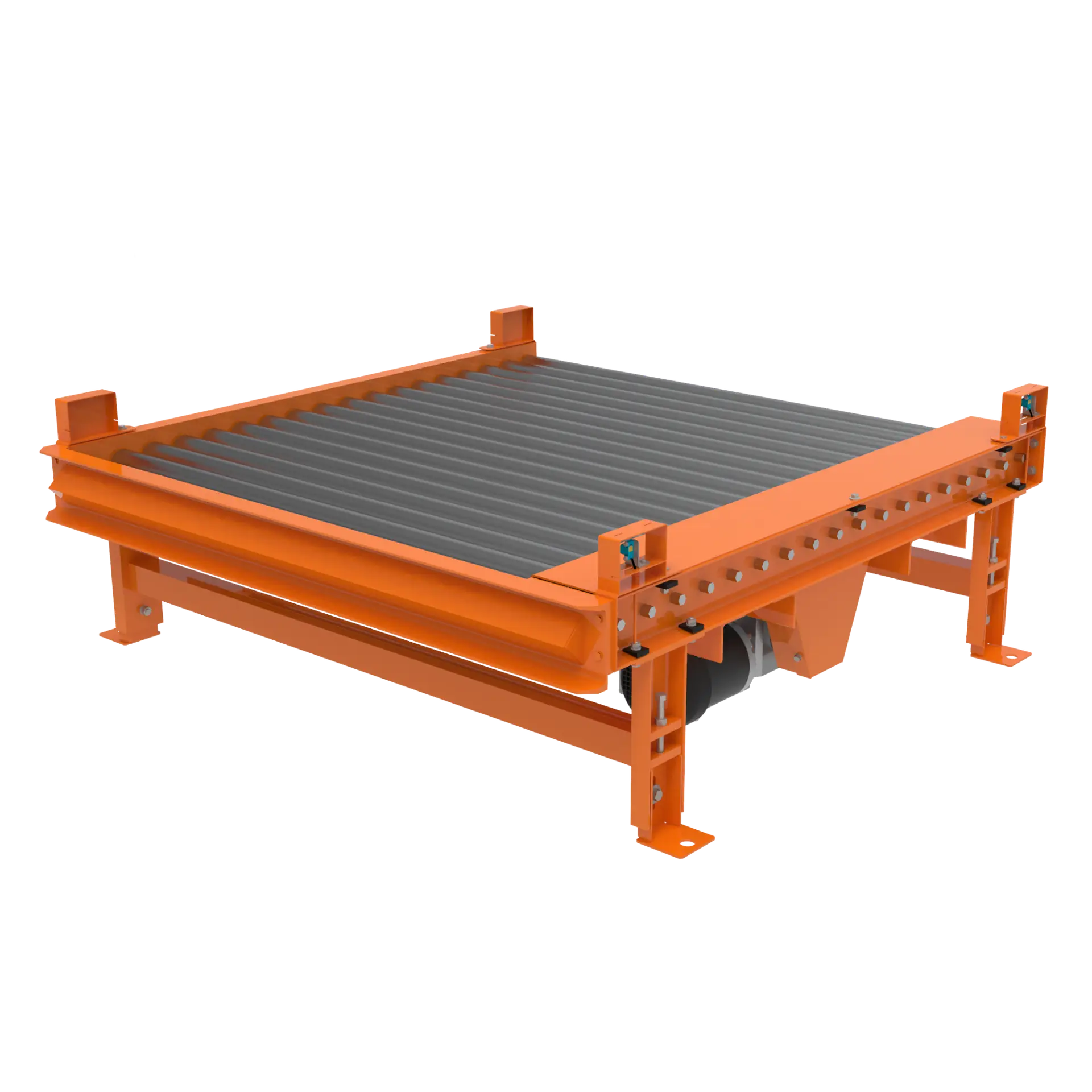
The Powered Conveyor – Dual Bay Roller Station, normally a CDLR type conveyor station, performs automated material transfers with our autonomous powered roller carts and with other powered conveyor sections within a CarryMatic system.
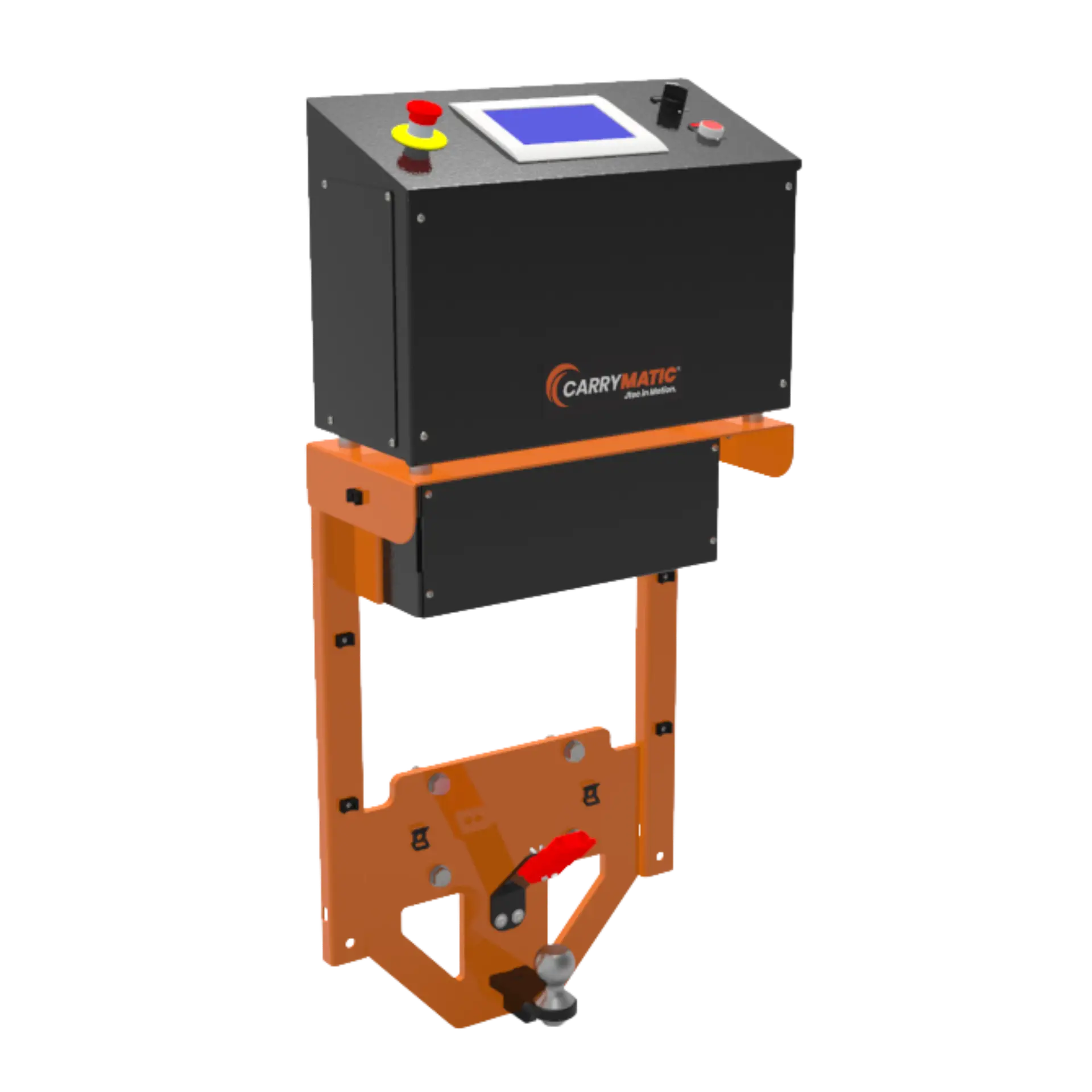
Stations are equipped with HMI control panels with E-stop, load present sensors, and cart alignment sensors. Guards and additional E-stop positions are also available. These stations can be used for both loading and unloading, transferring to and from the CarryMatic Carts.
For more information, fill out the form to be contacted by a CarryMatic system expert.
Need More Information? Have Us Contact You
The Powered Conveyor – Dual Bay is a stationary transfer system designed to automatically load and unload materials within a CarryMatic application. Its two conveyor bays allow the system to stage or transfer two loads, supporting automated material movement between powered carts, AMR attachments, and other compatible conveyor equipment.
Powered conveyor rollers move loads onto or off each bay during an automated transfer. The station coordinates with the connected CarryMatic equipment so transfers occur after the cart or attachment is properly positioned. This reduces manual material handling between production, packaging, storage, and other process areas.
The conveyor is designed to interface with compatible CarryMatic powered conveyor carts and AMR powered roller attachments. It may also be integrated with other powered conveyor sections when their dimensions, roller heights, load directions, controls, and transfer sequences are properly matched to the Jtec system.
CarryMatic powered conveyor stations use load-presence and equipment-alignment sensors to verify transfer conditions. An HMI control panel and emergency-stop function support operator interaction and safe system control. Guards and additional emergency-stop locations may also be incorporated based on the station layout and application requirements.
A dual-bay conveyor provides two positions for staging or transferring loads, which can support applications requiring greater load availability or throughput at one location. The right configuration depends on load quantity, transfer frequency, process timing, available floor space, and the configuration of the carts or AMR attachments serving the station.
Jtec will need the load dimensions, weight, bottom surface, required roller height, transfer direction, and desired process sequence. The review should also include the connected mobile equipment, available electrical service, facility controls, guarding requirements, and surrounding floor space to establish the correct station configuration.
We use cookies to improve your experience on our site. By using our site, you consent to cookies.
Manage your cookie preferences below:
Essential cookies enable basic functions and are necessary for the proper function of the website.
These cookies are needed for adding comments on this website.
Statistics cookies collect information anonymously. This information helps us understand how visitors use our website.
Google Analytics is a powerful tool that tracks and analyzes website traffic for informed marketing decisions.
Service URL: policies.google.com (opens in a new window)
SourceBuster is used by WooCommerce for order attribution based on user source.
Marketing cookies are used to follow visitors to websites. The intention is to show ads that are relevant and engaging to the individual user.
OptinMonster is a powerful lead generation tool that helps businesses convert visitors into subscribers and customers.
Service URL: optinmonster.com (opens in a new window)
You can find more information in our Cookie Policy and .